
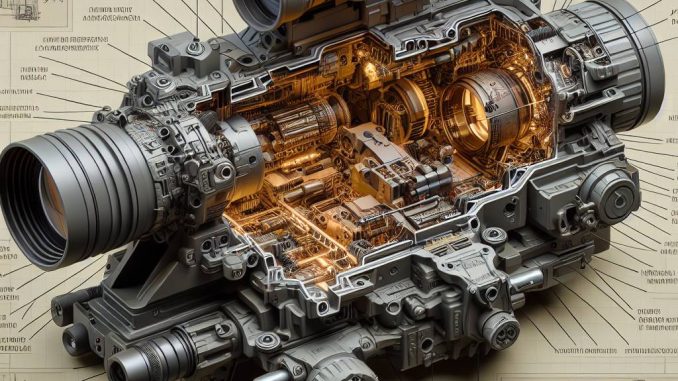
Discover the essentials of DL Active Duty HDS 100 IR, its features, implementation strategies, real-life applications, and how to maximize its benefits. In today’s rapidly evolving landscape of digital learning, the DL Active Duty HDS 100 IR resources are emerging as invaluable tools for military personnel seeking to enhance their skills and knowledge.
This blog post aims to provide a comprehensive overview of the HDS 100 IR, shedding light on its unique features, implementation strategies, and real-life applications within active duty settings. Whether you’re a seasoned service member or new to the concept, understanding how to leverage HDS 100 IR can lead to significant improvements in operational readiness and personal growth. Join us as we delve deep into these resources, exploring how they can maximize your learning potential and ultimately contribute to mission success.
Understanding DL Active Duty HDS 100 IR
The DL Active Duty HDS 100 IR is a sophisticated system designed to improve operational effectiveness within military environments. Understanding its functionalities and applications is crucial for personnel involved in its deployment and usage.
At the core of the HDS 100 IR lies an array of features that enhance situational awareness and decision-making capabilities. This system integrates advanced sensors and communication tools that allow for real-time data acquisition and transmission. Personnel can access vital information swiftly, fostering a proactive approach to mission dynamics.
One of the key aspects of HDS 100 IR is its user-friendly interface, ensuring that even individuals with minimal technical training can utilize its features effectively. The intuitive design reduces the learning curve for new users and allows seasoned operators to maximize their efficiency.
Furthermore, the DL Active Duty HDS 100 IR is equipped with cutting-edge technology that supports various operational scenarios, making it adaptable to different missions. Whether it is for surveillance, reconnaissance, or tactical assessment, this system offers versatility that is essential in modern military operations.
In terms of interoperability, the HDS 100 IR can seamlessly integrate with other military systems, fostering collaboration across different units. This capability ensures that information can be shared swiftly, enabling a cohesive response to dynamic battlefield situations.
Understanding the DL Active Duty HDS 100 IR is vital for active duty personnel as it enhances operational effectiveness and mission success. It is recommended that thorough training and familiarization programs be established to ensure that each member is adept at utilizing this powerful tool.
Exploring the Features of HDS 100 IR
The HDS 100 IR is a cutting-edge tool designed for those serving in an active duty capacity. This device offers a range of features that enhance functionality and usability in various situations. Below, we delve into some of the key characteristics and functionalities of the HDS 100 IR.
1. High-Resolution Imaging: One of the standout features of the HDS 100 IR is its ability to deliver high-resolution imaging. This feature is particularly beneficial for surveillance and reconnaissance operations, allowing users to capture clear and detailed images even in low-light conditions.
2. User-Friendly Interface: The HDS 100 IR is designed with an intuitive user interface that allows for easy navigation and operation. This ensures that even those with minimal technical knowledge can utilize all the features effectively.
3. Robust Durability: Built to withstand the rigors of active duty service, the HDS 100 IR is engineered with a robust design. It is resistant to water and impact, making it suitable for deployment in a variety of environments.
4. Enhanced Connectivity: The HDS 100 IR boasts enhanced connectivity options, allowing users to easily share data and images with other devices. This feature is essential for collaboration in active duty scenarios.
5. Long-Lasting Battery Life: In the field, reliability is crucial. The HDS 100 IR is equipped with a long-lasting battery that ensures extended operational capability without the need for frequent recharging.
6. Versatile Applications: The versatility of the HDS 100 IR allows it to be utilized in various applications, from military operations to emergency response situations. Its adaptability makes it an invaluable asset for personnel on the ground.
In summary, the HDS 100 IR is packed with features designed to enhance efficiency and effectiveness in active duty operations. Its advanced technology combined with durability makes it a preferred choice for those seeking reliability and performance in challenging environments.
Implementing HDS 100 IR in Active Duty
The HDS 100 IR represents a significant advancement in the toolkit available for active duty personnel. Its implementation not only enhances operational efficiency but also ensures improved safety and effectiveness in various military environments. Understanding how to effectively integrate this technology into active duty operations is essential for maximizing its potential benefits.

One of the first steps in implementing HDS 100 IR is assessing the existing infrastructure and identifying the specific needs of the unit. This includes evaluating current equipment, training levels, and operational procedures. By conducting a thorough needs assessment, commanders can tailor the implementation strategy to fit their unit’s unique circumstances.
Training is a critical component of successful implementation. Personnel must be trained not only on the technical aspects of the HDS 100 IR system but also on interpreting the data it generates. Effective training programs should include hands-on exercises, simulations, and assessments to ensure that all team members are proficient in using the new technology under stress.
Once adequately trained, units can begin integrating the HDS 100 IR into their regular operations. This may involve adjusting tactical procedures to take advantage of the system’s real-time data capabilities. For example, with its infrared technology, the HDS 100 IR can assist in surveillance and reconnaissance missions, providing commanders with crucial information about enemy movements in low-visibility conditions.
To ensure ongoing success, it is important for units to continuously monitor and evaluate the effectiveness of the HDS 100 IR in real-world scenarios. Feedback from personnel using the system can lead to improvements in operational procedures, further enhancing its value to active duty missions.
In addition, collaboration with other military branches and agencies can lead to innovative uses of the HDS 100 IR. Sharing insights and experiences helps establish best practices, ensuring that all personnel involved can derive maximum benefits from the technology.
Ultimately, the successful implementation of HDS 100 IR in active duty requires a comprehensive approach—one that encompasses needs assessment, training, integration into operations, and ongoing evaluation. With the right strategies in place, the HDS 100 IR can significantly enhance mission outcomes and ensure personnel safety in complex and dynamic environments.
Real-life Applications of HDS 100 IR
The HDS 100 IR system is rapidly becoming an integral part of various sectors due to its advanced capabilities and versatility. Its real-life applications span across multiple fields, showcasing its effectiveness in enhancing operations and achieving strategic goals.
One of the primary areas where HDS 100 IR excels is in the military. The system facilitates real-time data analysis and monitoring, allowing commanders to make informed decisions quickly. For instance, during active duty operations, personnel can leverage the HDS 100 IR for situational awareness, leading to improved tactical planning and execution.
In the realm of emergency management, the HDS 100 IR plays a vital role in disaster response efforts. First responders can utilize the technology to assess damage, locate survivors, and coordinate rescue operations efficiently. Its ability to process infrared data quickly enhances the speed and effectiveness of emergency responses.
Moreover, the HDS 100 IR finds significant applications in environmental monitoring. Organizations are using the system to track changes in landscapes and monitor wildlife. Its infrared capabilities allow for the detection of thermal anomalies, contributing to better ecosystem management and conservation efforts.

In the field of law enforcement, the HDS 100 IR is employed for surveillance and reconnaissance missions. The technology enables officers to gather intelligence in low-light conditions, thereby boosting their operational effectiveness in securing public safety. Its precision and reliability make it an indispensable tool for investigative units.
Finally, the HDS 100 IR is also making strides in the private sector. Businesses are implementing the system for security monitoring and facility management. The ability to monitor environments in real-time helps detect hazards and unauthorized activities, enhancing overall security protocols.
In conclusion, the HDS 100 IR isn’t just a theoretical concept; its practical applications are evident across various industries. By harnessing the power of this technology, organizations can improve their operational efficacy and respond more effectively to challenges.
Maximizing the Benefits of HDS 100 IR
In the ever-evolving landscape of defense technology, HDS 100 IR plays a pivotal role in enhancing operational efficiency and safety for active duty personnel. Understanding how to maximize the benefits of this innovative system can yield significant advantages in various mission scenarios.
One of the key benefits of the HDS 100 IR system is its advanced imaging capabilities, which provide high-quality thermal imagery even in the most challenging environments. By leveraging these capabilities, operators can gain a tactical advantage in night operations or adverse weather conditions. Implementing proper training and regular practice with the system allows personnel to become adept at interpreting this vital data effectively.
Another important aspect is the integration of HDS 100 IR with existing communication systems. Ensuring seamless connectivity allows for real-time sharing of intelligence, improving situational awareness among team members. By maximizing data flow and communication, units can make faster, more informed decisions on the battlefield.
Utilizing the HDS 100 IR for target acquisition and identification further amplifies its benefits. With precision and speed, active duty operators can engage hostile threats with greater accuracy, reducing collateral damage and enhancing mission success rates. Regular drills focusing on target acquisition techniques will better prepare personnel to utilize the HDS 100 IR effectively when it matters most.
Furthermore, feedback loops generated from using the HDS 100 IR should be established. After-action reviews and debriefings can help in identifying strengths and weaknesses in the use of the system, leading to continuous improvement. By fostering an environment of open communication regarding the HDS 100 IR, units can adapt and refine their operational approaches quickly.
Finally, it is crucial to stay updated with the latest advancements and training modules related to the HDS 100 IR. Engaging with regular training sessions and workshops will ensure that active duty personnel are always equipped with the most current knowledge and skills to maximize the potential of this complex system.
In conclusion, by focusing on training, integration, accurate target acquisition, feedback, and ongoing education, active duty units can truly maximize the benefits of the HDS 100 IR. Leveraging these elements will significantly enhance operational effectiveness and the overall success of missions.

Frequently Asked Questions
What does DL Active Duty HDS 100 IR refer to?
DL Active Duty HDS 100 IR refers to a specialized resource or system designed for active duty personnel, focusing on high-definition imaging and information retrieval.
Who can benefit from the resources provided by DL Active Duty HDS 100 IR?
Active duty military personnel, analysts, and strategic planners can benefit from these resources for better decision-making and enhanced situational awareness.
What types of information can be accessed through the HDS 100 IR system?
The HDS 100 IR system provides access to critical data such as operational intelligence, surveillance imagery, and logistical support information.
How does the HDS 100 IR enhance mission effectiveness?
By providing real-time data and analysis, the HDS 100 IR enhances mission effectiveness through improved communication, faster decision-making, and refined tactical operations.
What technologies are integrated into the DL Active Duty HDS 100 IR?
The system integrates advanced imaging technologies, data analytics, artificial intelligence, and secure communication protocols.
Are there training programs available for users of the HDS 100 IR?
Yes, there are training programs available designed to help users understand and effectively utilize the HDS 100 IR system.
What future developments are expected for the DL Active Duty HDS 100 IR?
Future developments may include enhanced imaging capabilities, improved user interfaces, and more robust data analysis features to keep pace with evolving mission requirements.
Leave a Reply