

Explore the significance of DL Active Duty HDS 100 IR and learn how to measure community impact and implement strategies for positive change.In today’s rapidly evolving landscape, the integration of technology in community services has never been more critical.
This blog post delves into the impactful role of DL Active Duty HDS 100 IR, a transformative initiative designed to enhance community support systems. As we journey through this exploration, we will begin by understanding the fundamentals of DL Active Duty HDS 100 IR, followed by an examination of the various factors contributing to its community impact.
Through careful analysis of data and trends, we aim to uncover the effectiveness of outreach and engagement efforts. Finally, we will discuss actionable strategies that can be implemented to ensure a positive and lasting influence on communities. Join us as we uncover the profound implications of this initiative, setting the stage for a brighter future for all.
Understanding DL Active Duty HDS 100 IR
The DL Active Duty HDS 100 IR program plays a significant role in the operational readiness and effectiveness of our armed forces. Understanding this program requires knowledge of its objectives, its structure, and the ways it impacts the military community.
The primary objective of the DL Active Duty HDS 100 IR is to enhance the skills and capabilities of personnel while they remain on active duty. It focuses on integrating innovative training methods and leveraging technology to address the ever-evolving challenges faced by service members. The program emphasizes continuous professional development, enabling individuals to adapt to new roles and responsibilities.
The structure of the HDS 100 IR features a comprehensive curriculum designed to cover a variety of topics essential for today’s military professionals. This includes physical readiness, mental health resources, and resilience training, all vital for maintaining overall well-being. Each component of the program is tailored to suit the specific needs of active-duty personnel, ensuring they receive relevant and effective training.
The community impact of the DL Active Duty HDS 100 IR program extends beyond the individual to include families and local communities. By fostering strong ties between members, families, and support systems, the program promotes a culture of collaboration and support, contributing to a more cohesive military environment. This not only helps in improving morale but also enhances the overall community engagement.
Furthermore, the implementation of the HDS 100 IR program provides extensive outreach strategies that demonstrate a commitment to transparency and communication with the wider community. Through workshops, information sessions, and collaborative events, the program seeks to involve families, local organizations, and civilian stakeholders, ultimately enhancing the connection between service members and the civilian population.
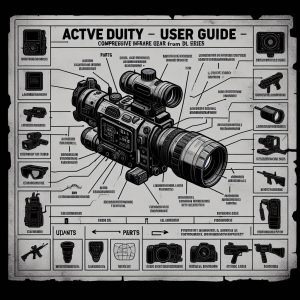
In summary, understanding the DL Active Duty HDS 100 IR represents a crucial component of military readiness. Its innovative structure, community-focused outreach, and commitment to personal and professional growth highlight its importance in fostering not just skilled personnel but also a resilient military community.
Identifying the Community Impact Factors
In the context of DL Active Duty HDS 100 IR, it is essential to identify the various community impact factors that influence its effectiveness and reach. Understanding these factors allows for improved program implementation and enhanced outcomes for participants.
The first factor to consider is the demographic characteristics of the community. Age, gender, socioeconomic status, and educational background can significantly affect how the program is received and utilized. Tailoring outreach efforts according to the specific demographics ensures that the program meets the community’s unique needs.
Another crucial aspect is community engagement. This includes the level of interest and participation from local organizations, leaders, and residents. High levels of engagement can foster a supportive environment that is conducive to the success of the DL Active Duty HDS 100 IR. Effective communication channels within the community can facilitate feedback and encourage active involvement.
The existence of local resources, such as organizations, funding, and facilities, also plays a vital role in determining the impact of the program. Identifying and leveraging these resources can enhance the efficacy of the HDS initiative, providing necessary support and infrastructure for successful outcomes.
In addition, the economic conditions of the community can affect participation and impact. Economic instability can lead to lower engagement levels and may limit resources available for the program. Therefore, understanding the economic landscape is critical for strategizing and addressing potential barriers to participation.
Lastly, the overall community culture and values must be taken into account. Community norms and attitudes towards military service, health programs, and education can significantly influence how initiatives like the DL Active Duty HDS 100 IR are perceived and utilized. Assessing cultural factors can inform targeted outreach strategies that resonate more deeply with community members.
Identifying these community impact factors is vital for the proper alignment of the DL Active Duty HDS 100 IR with the community’s needs. By understanding and addressing these components, the program can achieve a more profound and lasting impact.
Analyzing the Data and Trends
In the realm of DL Active Duty HDS 100 IR, analyzing data and trends is crucial for understanding its community impact. This process involves collecting quantitative and qualitative data to identify patterns that can assist in enhancing outreach and engagement.

One of the main focuses of data analysis in this context is to assess participation rates among various demographics. By examining historical data regarding participation, we can identify key trends that reveal how different communities respond to the programs offered under the HDS 100 IR. For instance, analyzing fluctuations in enrollment can expose underlying factors such as demographic changes, socio-economic shifts, and the efficacy of outreach methods.
Utilizing advanced data analytics tools facilitates a deeper understanding of these trends. Visual representations, such as graphs and charts, can help stakeholders quickly grasp the data insights. For example, a rise in participation following targeted marketing campaigns might indicate successful engagement strategies. Alternatively, a decline in participation among certain groups could signal the need for re-evaluating outreach methods and addressing the barriers to access.
Furthermore, analyzing feedback and personal testimonials adds a qualitative dimension to the data. Understanding participants’ experiences with the HDS 100 IR allows for a better grasp of the community’s perspective, revealing strengths and areas for improvement. This holistic approach ensures the dataset is not merely numbers but includes the human stories behind the statistics.
Lastly, keeping an eye on external factors such as policy changes and broader societal trends plays a vital role in predicting future engagement scenarios. By mapping these trends against the data collected, stakeholders can develop more effective and responsive strategies to enhance the overall impact of the DL Active Duty HDS 100 IR initiative.
Measuring the Outreach and Engagement
In the context of DL Active Duty HDS 100 IR, measuring the outreach and engagement of the community is a crucial aspect of assessing its overall impact. These metrics allow us to understand how effectively the initiative is reaching its target audience and fostering connections within the community.
To begin with, it’s essential to identify the key performance indicators (KPIs) that will guide our measurement efforts. These may include:
- Participation Rates: Tracking the number of participants in events or programs associated with DL Active Duty HDS 100 IR provides insight into how well the initiative is resonating with the community.
- Feedback and Surveys: Gathering qualitative data through feedback forms and surveys can help gauge community sentiment and satisfaction levels.
- Social Media Engagement: Analyzing likes, shares, comments, and overall engagement on social media platforms can reveal the extent of community interaction and interest in DL Active Duty HDS 100 IR.
- Attendance at Events: Monitoring attendance at outreach events can provide valuable data on community involvement and interest.
Once these KPIs are established, it is important to utilize a variety of methods for collecting and analyzing data. This might include:
- Data Analytics Tools: Implementing tools to track digital engagement metrics, such as website visits and social media interactions.
- Community Forums and Focus Groups: Hosting discussions where community members can share their experiences and suggestions related to the outreach efforts.
- Regular Reports: Creating regular reports that summarize outreach efforts and their effectiveness, highlighting areas for improvement.
Moreover, the interpretation of this data should inform future outreach strategies. By analyzing trends over time, we can identify what works, what doesn’t, and make data-driven decisions to enhance community engagement. For instance, if specific outreach events consistently attract higher participation, similar formats or themes can be replicated to maximize impact.
Ultimately, the goal of measuring outreach and engagement is not just to collect data, but to foster a deeper connection between DL Active Duty HDS 100 IR and the community it serves. When the community feels involved and heard, the overall impact of the initiative can be significantly enhanced.
Implementing Strategies for Positive Impact
As we delve into the impact of the DL Active Duty HDS 100 IR program, it becomes crucial to look at the strategies that can foster a positive change within our communities. Effective implementation of these strategies not only benefits the participants but also enhances the overall well-being of the community.

One vital strategy involves collaborative partnerships. Engaging with local organizations, schools, and businesses can create a network of support that amplifies the effects of the HDS 100 IR program. By working together, these groups can pool resources, share knowledge, and create a more robust outreach initiative. This collaboration allows for targeted engagement with residents, ensuring that their specific needs are addressed.
Another essential aspect is the use of data-driven approaches. By analyzing trends and gathering feedback from participants, stakeholders can refine their programs to better serve the community. This process of continuous improvement ensures that the strategies remain relevant and impactful. Tools such as surveys, focus groups, and community forums can provide invaluable insights into areas that require attention.
Moreover, training and education play a pivotal role in implementing effective strategies. Providing resources and workshops for both participants and facilitators can empower them with the skills needed to maximize their engagement. This knowledge transfer not only enhances individual capacity but also fosters a sense of ownership and responsibility among community members.
Lastly, promoting sustainability is crucial. Initiatives should be designed with long-term goals in mind, ensuring that the benefits of the DL Active Duty HDS 100 IR program extend beyond its immediate implementation. This might include developing volunteer programs or establishing ongoing mentorship opportunities that encourage continued involvement in community improvement efforts.
In summary, the successful implementation of strategies for positive impact within the framework of the DL Active Duty HDS 100 IR program relies on collaboration, data-driven approaches, education, and sustainability. Through these measures, we can create enduring change that uplifts our communities and enriches the lives of all involved.
Frequently Asked Questions
What is DL Active Duty HDS 100 IR?
DL Active Duty HDS 100 IR is a program aimed at enhancing community engagement and providing support services to active duty military personnel and their families.
How does the DL Active Duty HDS 100 IR benefit local communities?
The program fosters partnerships between military personnel and local civilians, stimulating economic growth and promoting social cohesion.
What types of activities does DL Active Duty HDS 100 IR promote?
The program promotes various activities including volunteer work, community events, and educational workshops, encouraging service members to engage with their surroundings.
Are there any specific challenges the program addresses?
Yes, the program addresses challenges such as social isolation among service members and their families, as well as the need for mental health resources and support.
How can local residents get involved with DL Active Duty HDS 100 IR?
Local residents can get involved by participating in community events, volunteering their time, or offering resources and services to support active duty personnel.
What role do partnerships play in the success of DL Active Duty HDS 100 IR?
Partnerships with local organizations, businesses, and government agencies are crucial for resource sharing, enhancing capacity, and ensuring the sustainability of the program.
What outcomes can be expected from community engagement in this program?
Expected outcomes include improved relationships between military families and the community, increased support networks, and enhanced overall well-being for service members.
Leave a Reply